More of what you love. Less retail markup.
Evaluate kitchen corner storage using actual cabinet openings, tray shapes, loaded movement and neighboring doors before ordering.
Plan my kitchen with a free design & quote
In this guide
The best corner cabinet is the one you can use without negotiating with it. A clever fitting may bring stored items forward, but it also needs space for its mechanism, a compatible cabinet opening and a clear path through the kitchen.
For a St. Louis remodel, compare the full operating sequence of each option before assigning a premium storage fitting to the plan. That includes taking an item out, putting it back and closing everything—not simply admiring an empty tray at the end of a demonstration.
Design within the room you have
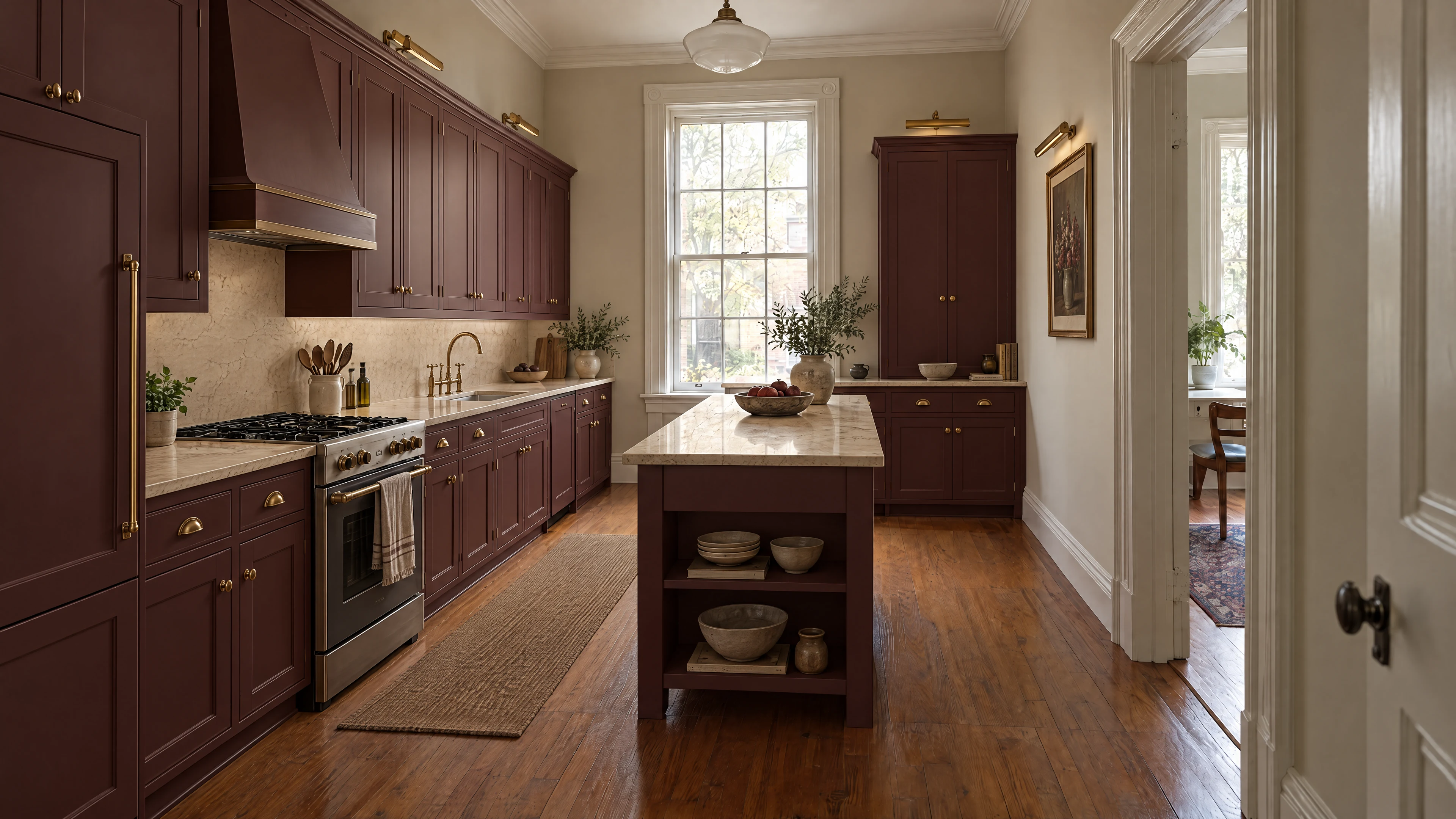
Castle Design's published Outside In project describes a St. Louis kitchen developed around retained structural and mechanical features, with a U-shaped plan and carefully accessorized interiors. The useful local lesson is that storage decisions belong inside the actual room constraints. The account does not identify a particular blind-corner mechanism. Outside In kitchen project.
If your design retains a corner, ask what needs to live there. Frequently used cookware, occasional serving pieces and rarely opened supplies present different priorities.
Also ask whether the corner must provide active storage at all. In some layouts, simplifying that area could allow more useful drawers beside it. Compare complete cabinet plans rather than assuming every enclosed corner deserves an elaborate fitting.
Know which corner you are discussing
A blind-corner cabinet extends storage behind an adjacent cabinet run, with access through one opening. A different corner cabinet may have a diagonal or paired-door arrangement. Products designed for one configuration should not be assumed to fit another.
Before comparing accessories, have the designer identify the cabinet construction, usable interior dimensions, clear door opening, hinge arrangement and the direction in which the fitting must operate.
The nominal cabinet width is not enough. The mechanism needs its own working envelope, and an opening can be reduced by a face frame, hinge or neighboring front. Exact fit should be verified against the selected product's documentation by the supplier or installer.
Use this corner-storage comparison
| Approach | How access works | What to test |
|---|---|---|
| Fixed shelves | You reach into the cabinet | Can you retrieve the intended items comfortably? |
| Rotating shelves | Contents turn toward the opening | Do your objects fit the shelf shape and stay easy to identify? |
| Swing-out trays | Trays move out through the opening | Does each tray clear nearby fronts and fit your cookware? |
| Linked pullout system | A sequence moves stored items toward you | Is the full sequence simple when loaded? |
| Reduced corner storage with adjacent drawers | Storage shifts to a different cabinet arrangement | Does the overall kitchen gain more useful access? |
These are comparison categories, not interchangeable fittings. Ask the cabinet supplier to show which exact products are compatible with the proposed cabinet.
Test tray shape with real objects
A tray's outline matters as much as its overall size. Photograph and measure the pots, lids and serving pieces intended for the corner. Include handles and the space needed to lift an object out.
Kesseböhmer's official US LeMans information, for example, describes independently moving shelves and adjustable shelf heights. Those features create specific questions for a demonstration: can one shelf be used without disturbing the other, and does the proposed spacing suit your items? Manufacturer corner-storage example.
Do not transfer that mechanism's specifications to another fitting. Ask for the exact model's load limits, supported cabinet configurations and operating instructions.
With permission, use clean, empty representative cookware to test placement. A broad pot may consume most of a curved tray; a collection of smaller objects may fit differently. Count the useful places for your belongings, not just the number of shelves.
Watch the entire movement
Stand where you would stand in the finished kitchen. Open the cabinet, bring the required tray forward, remove an item, return it and close the fitting. Then repeat the sequence for the less convenient shelf.
Notice whether another door must remain open, whether you need to step aside and whether the action makes sense without coaching. Ask to see the display with a representative safe load rather than judging only an empty mechanism.
Have the designer check adjacent drawer and appliance positions. A fitting that moves outside the cabinet needs room in the aisle. The nearby dishwasher or pullout may change what is usable during meal preparation.
If two people often work in the kitchen, include that in the review. One person's corner-storage routine should not unexpectedly block the other person's normal path.
Separate capacity from convenience
A mechanism occupies some cabinet space while changing how you reach the rest. That can be an excellent trade, but it should be evaluated honestly.
Compare the actual inventory each option can hold. Then score how often you need those items and how many movements retrieval requires. A corner filled with seldom-used platters may need a different solution from one holding the pan you reach for every evening.
Keep oversized or heavy items in locations that suit the household's handling abilities and the product's limits. Ask the designer to suggest another cabinet when the corner is an awkward fit rather than forcing a favorite accessory into the plan.
Confirm fitting, adjustment and future access
Ask whether the accessory is supplied and installed by the cabinet manufacturer, added by the installer or purchased separately. Identify who verifies compatibility and performs final adjustment.
Clarify how shelves or trays are removed for cleaning and service according to the manufacturer's instructions. Keep the product identifier and documentation with the cabinet schedule.
Your order worksheet should include the cabinet reference, construction, clear opening, handing, fitting model, shelf configuration, intended contents and neighboring-front clearance review. Add the complete installed price and the person responsible for setup.
If the cabinet or door specification changes, repeat the fit check before ordering the accessory.
Buy storage that belongs in the whole kitchen
Compare the corner options alongside HIBC's St. Louis kitchen design guide and kitchen storage planning guide. Then request free kitchen design and discuss product quotes before joining HIBC.
HIBC is an online buying club with no HIBC product markup and coordinates design through independent showrooms. It is not an installer. Gold membership is $4,995 initially; an optional $495 annual renewal is purchased separately, with no automatic charges. Cabinets, accessories, delivery and installation are separate project costs. A successful corner choice should improve the room's daily routine, not merely fill its hardest-to-reach space.
