Dallas Cabinet Materials: Compare the Box, Door and Drawer Before You Buy
A cabinet proposal that says “wood cabinets” still leaves several buying decisions unanswered. For your Dallas kitchen, ask what the box, door, drawer and visible finishing pieces are made from. Then connect those answers to the exact product line and configuration you are considering.
This approach helps you recognize a meaningful upgrade, identify an omission and choose where you want to spend. It also keeps an attractive door sample from standing in for the specification of the complete cabinet.
Read the cabinet as several components
The cabinet box, sometimes called the case, is the body that houses shelves or drawers. Record the specified material for its sides, back, bottom and shelves. Ask whether a proposed construction upgrade applies to every cabinet or only selected units.
The door is a separate component. A finished sample can show you color and appearance, but the written specification should identify the door construction and finish. For a door with a frame and center panel, ask about both parts. Drawer fronts and finished end panels also deserve their own entries.
Inside a drawer, identify the box, bottom and slide system. Ask for the manufacturer’s information about the selected hardware and its intended use. Describe what you expect to store so the designer can recommend an appropriate configuration.
KraftMaid’s own product FAQ distinguishes solid-wood components from engineered cabinet-case options and explains that construction upgrades differ between its product lines. That is a useful reason to request the exact line and specification. It does not mean every brand uses the same combination.
Take this material worksheet to the showroom
Copy the table into your project notes. Fill each answer from the proposal or the manufacturer’s current literature. “Not yet specified” is a useful answer: it shows what must be clarified before ordering.
| Component | Information to record | Your proposal |
|---|---|---|
| Cabinet identity | Manufacturer, line, cabinet code and plan revision | ______ |
| Box and shelves | Specified core materials; published construction details | ______ |
| Door and drawer front | Material, construction, style and finish code | ______ |
| Drawer box | Side and bottom construction; selected slide system | ______ |
| Visible ends and trim | Which finished panels, fillers and moldings are included | ______ |
| Upgrades | Exact units affected, added cost and written confirmation | ______ |
| Care and service | Current care instructions, warranty and service contact | ______ |
Use one copy for each offer. Do not write “same” unless the supporting documents establish what matches.
Ask what the upgrade actually changes
A proposal might add a different box material while retaining the original door, drawer and hardware. Another might change the drawer system without changing the visible front. Request a marked list of affected cabinet codes and a revised total.
KraftMaid’s cabinet-quality guide discusses several construction details, including box components and drawer joinery. Its examples illustrate why a single material label cannot describe the whole purchase. Evaluate the documented combination and its suitability for your use.
A practical question is: “Show me the original specification, the proposed change and what I gain in this kitchen.” Ask to see an actual sample or display that represents the quoted configuration. A showroom display from a different line may answer an appearance question without answering your construction question.
Separate material choices from appearance choices
Suppose two proposals both show a painted door you like. One explicitly lists finished exposed ends; the other leaves them unspecified. That is an incomplete comparison even before you consider the cabinet core.
Likewise, a change from a door-and-shelf base cabinet to a drawer base changes the storage arrangement. Record it as a design choice, with its own price difference. It should not disappear inside a broad description such as “premium materials.”
Keep a short must-have list: the storage functions you need, the finish you approved and the service commitments that matter to you. Compare each proposal against that list. If a difference is acceptable, note that you chose it deliberately.
Keep the evidence with the final order
Save the approved plan, component schedule, sample identification and written answers together. Ask the seller to identify the revision that will actually be ordered. Any substitution should return to that record so you can understand what changes before agreeing.
This materials check complements a complete cabinet-quote comparison. Delivery, installation, taxes and any membership cost still belong in the complete budget.
For help organizing your Dallas project, request a free initial kitchen design review. HIBC helps homeowners explore confidential member product pricing through independent showroom partners and adds no HIBC product markup. Product availability and the quoted specification require confirmation; HIBC is not your cabinet installer.
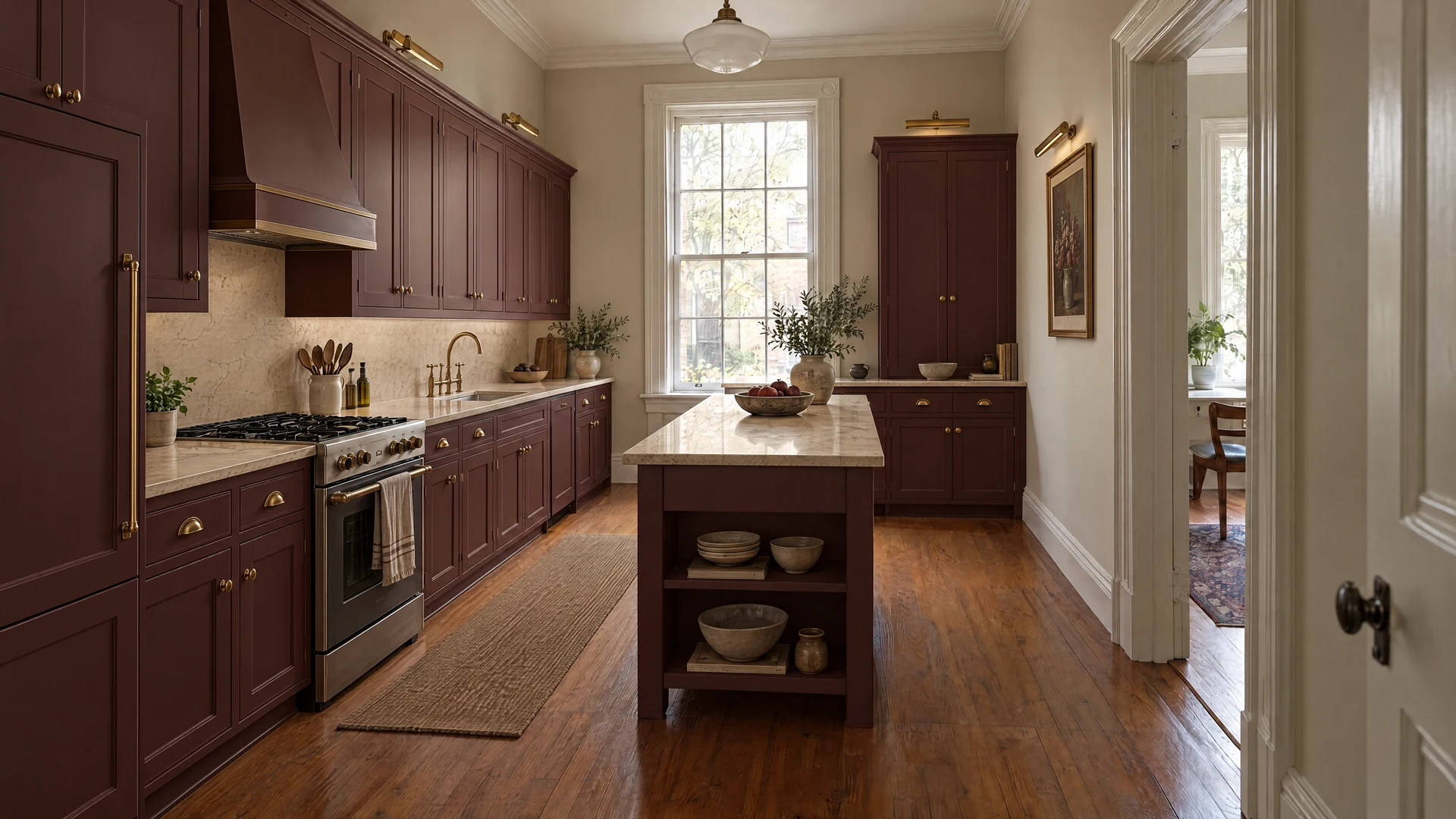
Design inspiration, not a completed customer project or an exact product specification. Explore the original 4K detail.
Continue planning
- Framed vs. Frameless Kitchen Cabinets in Dallas–Fort Worth
- Dallas Cabinet Installation Quotes: Make the Scope Clear Before You Hire
Explore the interactive showroom · Request your free kitchen design and quote