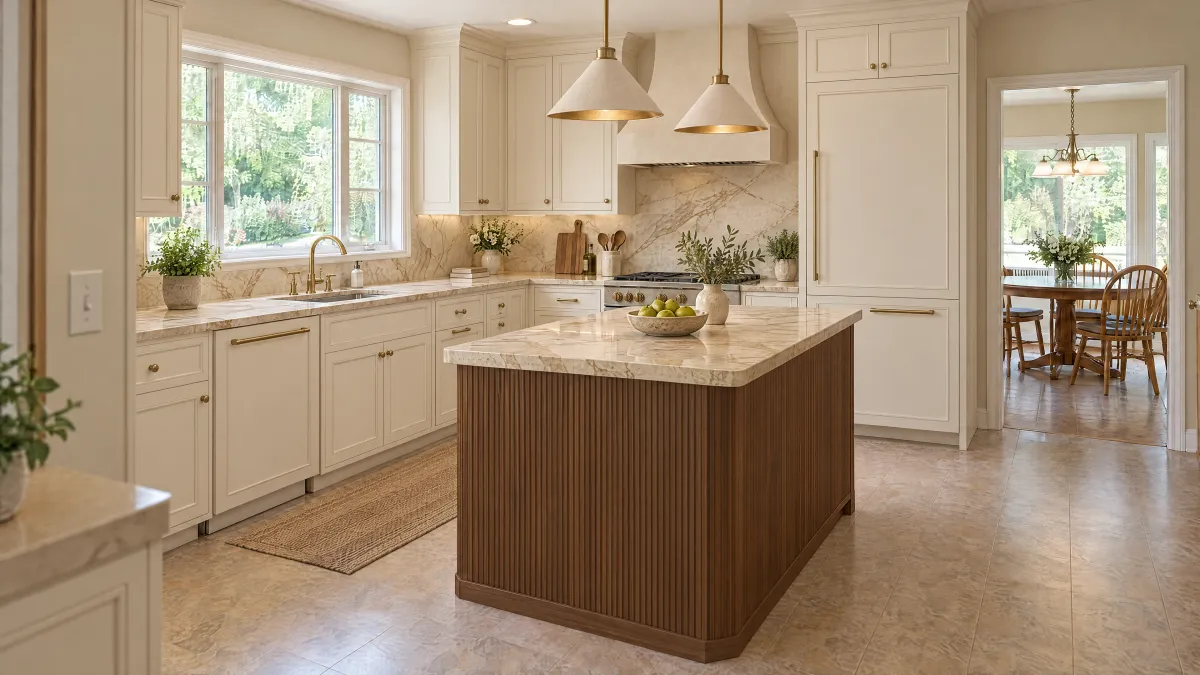
Compare the air coming in as well as the exhaust going out
A hood price does not tell you whether replacement air is covered. Make-up air replaces air exhausted from the home; it is a separate purchasing question from the hood’s advertised airflow. Ask the qualified mechanical professional to resolve that question for your actual home, then identify any dependent cabinet work.
Broan-NuTone’s make-up-air application guide illustrates different damper and control arrangements, including model-specific compatibility. It also calls for inspection access and intake maintenance. The guide is dated 2013: use it to frame questions, then obtain current instructions for the exact proposed products. It is not a Bellevue code determination, a sizing method or evidence that an accessory is available.
Ask Bellevue about the complete work
The city’s current mechanical-permit guidance says extending or replacing ductwork requires a mechanical permit. It identifies plan-review situations including multifamily buildings with three or more units and fire-rated penetrations. Where relevant, site plans document intake and exhaust locations. For buildings with smoke-control systems, applicants must verify how proposed work affects those systems.
Have the responsible professional describe the full project to Bellevue’s reviewer. For a condo, coordinate affected building systems with management too. Apply this guidance to property under Bellevue’s authority; an Eastside mailing address does not establish jurisdiction. No single hood rating in this worksheet decides the applicable requirement.
Turn “by others” into a named responsibility
Ask for separate answers on the hood, replacement-air equipment, controls, associated trade work and access. Broan’s current support guidance directs customers and installers to their local jurisdiction for applicable requirements. Its application guide also distinguishes make-up air from combustion air; do not treat an accessory purchase as resolving every air-supply issue.
Record which selections can proceed and which need the professional’s answer first. If the agreed arrangement changes cabinetry, carry that change into the Bellevue cabinet revision record. Use the hood rating comparison worksheet separately when comparing published sound and airflow figures.
Your make-up-air purchase worksheet
| Check | Record before ordering |
|---|---|
| Need | Professional’s project-specific determination and any reviewer question still open. |
| Model | Exact hood, damper and control references; current instructions confirming the proposed combination. |
| Route | Who designs and confirms the replacement-air route and intake location for this property. |
| Access | How required inspection and maintenance access stays usable after cabinets and finishes are installed. |
| Scope | Who supplies each part, performs trade work, coordinates approvals and confirms operation; reconcile exclusions. |
| Order | Affected cabinet or appliance lines, outstanding answer, responsible person and release decision. |
A worked buying example
Hypothetical example: two Bellevue quotes name the same hood, but one leaves make-up air “by others.” The homeowner asks the mechanical professional for a defined package and named responsibilities. The proposed access location affects a cabinet panel, so that panel’s order remains unresolved until the designer incorporates the confirmed arrangement. The comparison now includes the missing work without assuming either quote was complete.
Questions to settle before ordering
Does a compatible damper mean the whole installation is approved?
No. Product compatibility answers one question. The qualified professional and applicable authority must resolve the property-specific design, installation and approval requirements.
Can I leave make-up air until after ordering the cabinets?
First ask whether the proposed arrangement affects cabinets, openings or service access. Record the answer and dependent items before committing to their dimensions; this worksheet does not change your seller’s order terms.
