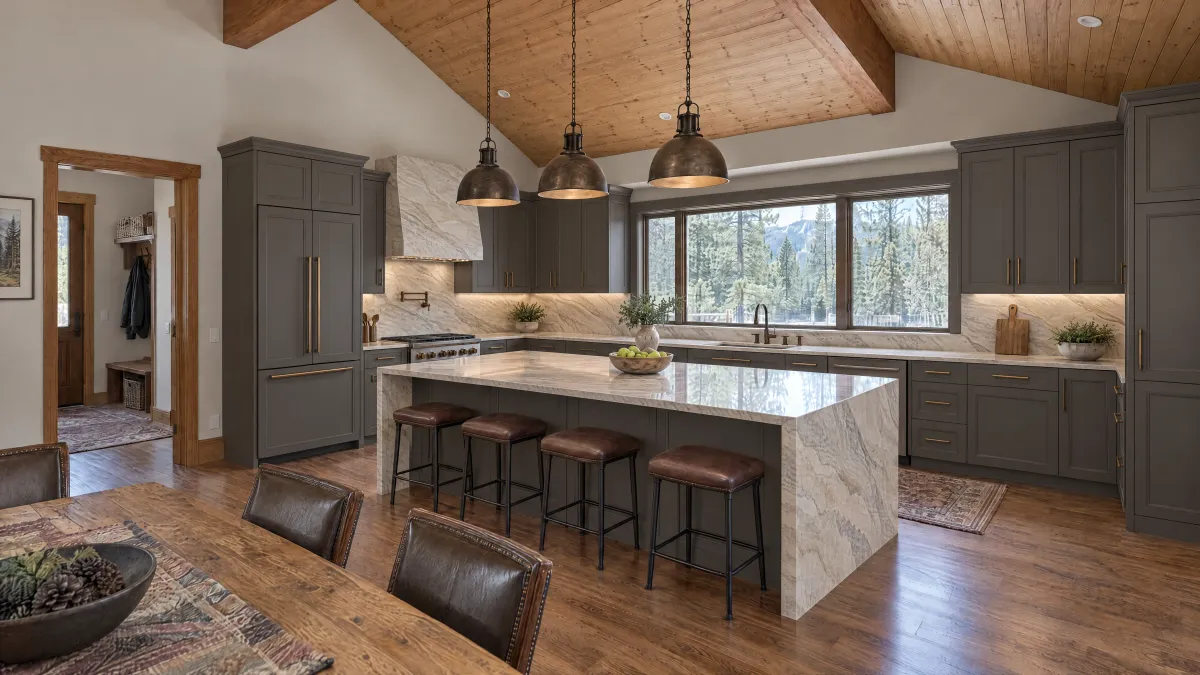
Use the sample to shortlist, then identify the stone
A small sample can help narrow a Tampa kitchen’s color direction. It cannot show every part of the natural-stone slab intended for the order. Keep the sample stage and the actual material selection as two separate decisions.
Use Natural Stone’s selection guide explains that natural slabs differ and recommends viewing the actual pieces. Its advice concerns seeing the material’s full appearance; it is not a promise of local stock, exact color matching or suitability for every application.
Create an identifiable selection record
Ask the stone provider how it identifies individual slabs and how your selected identifiers appear in the written proposal. Review the actual proposed pieces together where the provider can arrange it. Follow the facility’s visitor rules and let its staff handle all material movement.
Bring the relevant cabinet or finish samples with permission. Note the larger color changes and areas of movement you like or would prefer to avoid. Ask the provider to explain visible characteristics and their implications; appearance notes are not an inspection of structural condition or a technical acceptance.
With permission, retain photographs linked to the provider’s identifiers and selection date. Note the viewing conditions and any areas not visible. Screen images can help preserve the discussion but should not be treated as exact color references or a substitute for unresolved in-person review.
Clarify what the selection actually commits
Ask what is being selected, held or purchased at this step and get the applicable terms before committing funds. Record any stated hold period or substitution process exactly as offered. Do not assume that liking a display sample reserves material, or that a different slab automatically inherits the same approval.
Keep slab identity separate from the later fabrication layout. The fabricator still needs to confirm suitability, usable material, quantities, support and the proposed cutting plan. If the actual selection changes, ask which appearance and technical reviews must be repeated.
Attach the selection record to the Tampa kitchen proposal. Have the project professionals confirm the requirements for the specific city or county property and any building access conditions. The result should make the material choice traceable without suggesting that visual approval settles installation.
Your decision worksheet
| Decision item | Evidence to record |
|---|---|
| Sample preference | Record the sample name and the appearance qualities used to shortlist. |
| Individual slabs | Keep provider identifiers for every actual piece proposed for the order. |
| Viewing record | Note date, visible areas, finish samples and permitted photographs linked to identifiers. |
| Appearance questions | List larger variation and visible characteristics for the provider to explain. |
| Selection terms | Record what is selected or held and the actual written substitution or commitment terms. |
| Next review | Keep fabrication suitability, usable quantity and cutting-layout approval separately assigned. |
A worked buying example
Hypothetical example: a homeowner selects a quiet-looking small sample. At the provider’s viewing appointment, one proposed slab has a stronger band of movement than the sample suggested. The homeowner reviews another actual piece and records the chosen identifiers. When the written proposal arrives, those identifiers can be checked before material commitment; the fabricator’s cutting layout remains a separate review.
Questions to settle before ordering
Does choosing a color name identify the exact slabs?
Not necessarily. Ask the provider to connect the proposed pieces to identifiable records and the written order.
Does approving appearance establish that the slabs are ready to fabricate?
No. Suitability, usable quantities, support and the cutting layout remain separate professional confirmations.
