Write the question the system must answer
Start a San Francisco kitchen filtration comparison by describing the actual concern and the information supporting it. Keep a preference about taste separate from a verified water-quality finding. A renovation, an advertisement or the presence of a filter in another home does not establish a need for a particular treatment.
EPA’s point-of-use reverse-osmosis guidance explains that RO produces treated water and a reject-water stream. It also notes that other filtration may meet some needs and does not promote RO for every application. Use that distinction to ask informed questions, not to diagnose your water from a product brochure.
Match the evidence to the exact offered system
Ask an appropriate water-treatment professional what evidence is needed for your stated goal. Keep the relevant water-provider information or property-specific results with the proposal. Do not transfer a claim from another address or assume one system removes every possible substance.
Request the exact system model, its documented intended use and the evidence supporting the claims being offered. Compare those with another appropriate filtration option if the professional identifies one. Mark unsupported or unanswered claims as open questions rather than filling the gaps with a general technology description.
Compare the complete ownership package
Have the qualified installer identify each candidate’s water connections, any required reject-water arrangement, dispensing components and other model-specific needs. Record the actual equipment footprint and how the selected consumables are replaced. Cabinet space is one input; it should not be the only reason to choose a treatment method.
Ask for the specified consumables, manufacturer-directed maintenance, current quoted supply costs and who handles service. Keep the seller’s information separate from your household’s assumptions about future use. No water-saving, operating-cost or health result should be inferred from this worksheet.
Add the comparison to the San Francisco kitchen brief. Confirm the actual water provider, property jurisdiction and any building conditions; neighboring Bay Area addresses are not interchangeable. Select only after the treatment purpose, supporting evidence and installation scope are clear.
Your decision worksheet
| Decision item | Evidence to record |
|---|---|
| Stated goal | Record the concern and distinguish preference from a documented water-quality finding. |
| Relevant evidence | Keep the actual provider information or appropriate property-specific results considered. |
| Exact candidates | Identify models, documented intended uses and evidence for the offered claims. |
| Connection scope | Have the installer identify supply, dispensing and any reject-water requirements. |
| Ownership supplies | Record specified consumables, maintenance instructions, service route and actual quotes. |
| Decision boundary | List unresolved claims and the qualified advice needed before selecting a system. |
A worked buying example
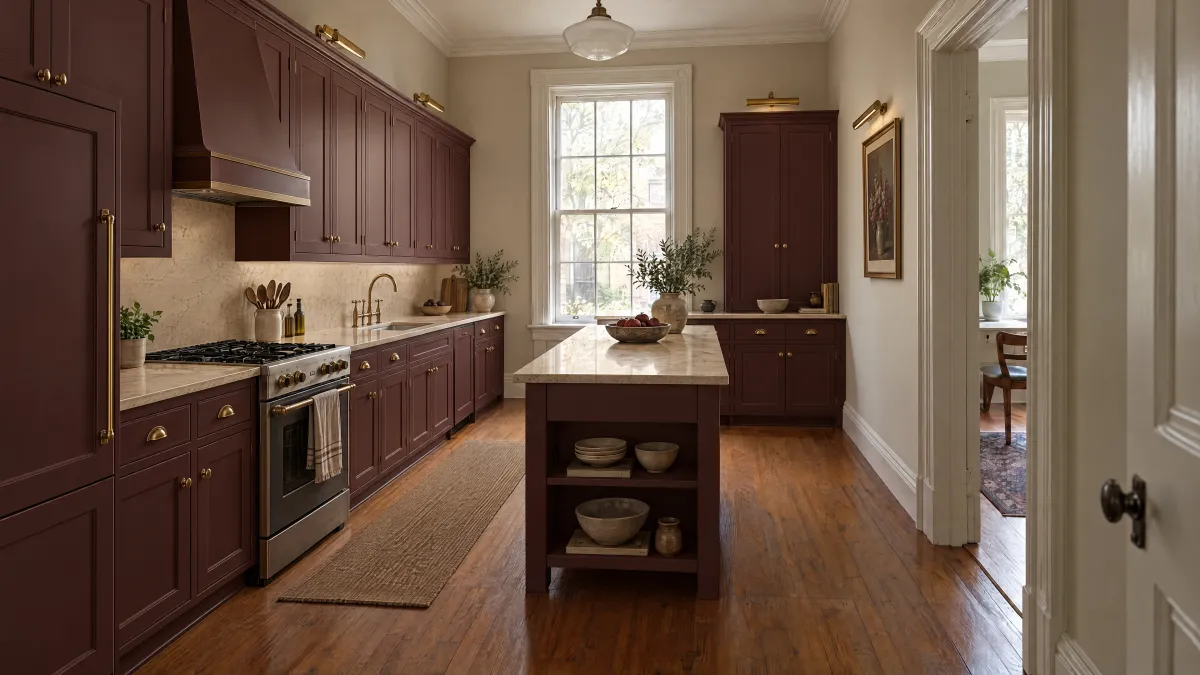
Hypothetical example: a homeowner asks for RO because it appeared in a kitchen photograph. During planning, the homeowner clarifies the actual concern and collects relevant water information. A professional explains two options for evaluation and provides model-specific documents. The buyer compares the supported purpose, connections and consumables before choosing, rather than treating a more elaborate system as automatically necessary.
Questions to settle before ordering
Does this guide say San Francisco water requires RO?
No. It makes no finding about your water or treatment needs. Use relevant evidence and appropriate professional advice for the property.
Does a filter’s general technology name establish its exact performance?
No. Keep any performance claim tied to the actual model and supporting documentation, including the stated limitations.
