Kitchen buying decisions · Philadelphia
Repaint, reface or replace? Start with the kitchen you need
A new finish cannot answer a layout question. Before collecting bids, separate what you dislike about the look from what does not work in the room. Record the parts you would keep, the changes you need and the condition questions for a qualified provider.
Your decision: Will a surface change solve the problem, or does the layout or cabinet condition need a different scope?
Request a free initial review Worksheet below
Your initial review and worksheet are optional. Membership is a separate choice.
Philadelphia: define the finish work and the wider changes
The City's Building Permit guidance lists cabinets and countertops among interior finish work that often does not need a Building Permit when the property is not on the Philadelphia Historic Registry. It also identifies broader alterations that do need permits. Give Licenses and Inspections (L&I) the complete proposed scope, including any structural, plumbing or electrical changes, rather than relying on the label “refacing” or “replacement.”
Check historic status early. The City's historic-property review guidance says the Historical Commission's interior jurisdiction is limited to interiors designated on the register. Keep building-permit questions and Historical Commission review questions separate, and ask the relevant office how the actual work is treated. An older rowhouse's age alone does not tell you its designation or settle the approval question.
These City sources apply within Philadelphia. For a property elsewhere in Pennsylvania, New Jersey, Delaware or Maryland, use the responsible local authority. Record the property jurisdiction and any agency response with the scope you send for pricing.
Describe the problem without choosing the fix
List the changes you want: appearance, storage, appliance fit, access, worn doors, damaged boxes or a new layout. Photograph the areas for your own records and ask a qualified provider to inspect anything that is loose, damaged or affected by water. Record observations without assuming the cause or that a surface treatment will correct it.
Make one keep-layout scope and one change-layout scope when the layout is uncertain. Compare what each would accomplish, not just the cost of the new doors. For example, if your concern is a drawer blocked by an appliance handle, record the conflict and ask what change would actually resolve it. A new door finish leaves that question open. The Philadelphia drawer and pullout guide can help you describe the way you need the kitchen to work.
Keep repairs and paint disturbance visible
If there is an active leak or unexplained moisture, resolve its cause before committing to cosmetic work. Ask who evaluates and repairs the underlying issue, which existing parts remain and what the bid excludes. A homeowner note is not confirmation that a cabinet box is sound or suitable for reuse.
EPA warns that renovation in a pre-1978 home with lead-based paint can create dangerous lead dust. It recommends lead-safe certified contractors for renovation work in pre-1978 homes and certified professionals to determine whether affected surfaces contain lead-based paint. Include painted walls, trim and other surfaces disturbed by the proposed work in that conversation; cabinet age alone is not a paint-testing result.
Request three scopes only when they answer different questions
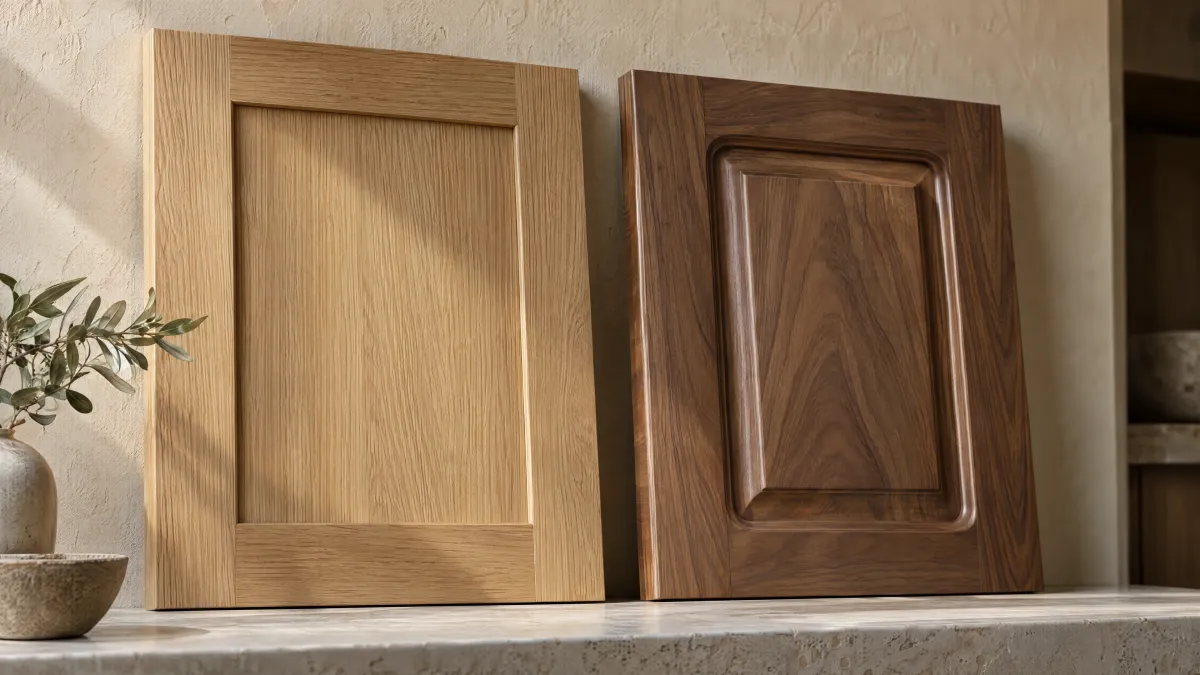
For a repainting proposal, ask which surfaces are prepared, what the finish process includes and what remains unchanged. For refacing, ask which doors, drawer fronts, hardware and exposed surfaces are replaced or covered. For replacement, identify the new layout, complete cabinet package and removal/installation work. These are questions to obtain the provider’s actual scope, not universal definitions of every service.
Keep flooring, counters, appliances and temporary kitchen arrangements in the comparison when they are affected. Ask each provider for written exclusions and who owns the transition. If a replacement option involves a new cabinet shipment, use the existing Philadelphia delivery and receiving checklist to price and assign that separate step.
Make a retained-parts record before comparing totals
Ask each provider to identify the existing boxes, doors, drawer fronts, drawer boxes, hardware, panels and trim that will remain. Then ask who accepts their condition and compatibility with the proposed work. Keep the provider's answer alongside the quote rather than treating every unchanged part as inspected or covered by a new warranty.
- Keep: Name each part retained and the condition or fit questions still open.
- Change: Identify new or refinished parts, the selected finish and included preparation.
- Repair: Record underlying issues, who evaluates them and any separately priced work.
- Affect: List countertop, backsplash, wall, floor, appliance and trade work that the option changes.
- Exclude: Copy the provider's exclusions and mark costs not yet confirmed.
For example, a refacing proposal and a replacement proposal may both show new door fronts, but one retains the boxes and the other includes new boxes and removal. Compare those scopes as different options until the retained parts and associated work are clear. Ask for a revised written quote when a condition finding changes the plan.
Keep, repair or replace: your comparison record
Record what is known about condition and layout. Keep unknown condition unresolved and ask a qualified provider; this is not a diagnosis.
Print this list or copy the questions into your own private planning notes. No completed worksheet or consultation is required to request a review or explore membership.
- Layout and use
Which everyday problem must the option solve? Record reach, opening, appliance and storage needs. - Cabinet condition
What has the provider examined, what is suitable for reuse, and what remains unknown? - Moisture or damage
Who evaluates the cause and any needed repair before cosmetic work? - Kept and changed parts
List the exact retained components, replacements, finishing work and exclusions. - Affected painted surfaces
Record available home/paint history and the qualified provider handling assessment and lead-safe planning. - Philadelphia property checks
Record jurisdiction, historic designation questions and the agency response for the actual scope. - Related work and complete cost
Include affected counters, delivery, removal, installation, trades, taxes and any separately chosen membership. - Provider acceptance and next action
Keep the quote revision, written conditions, responsible person and unresolved question together.
Choose the next step that fits your project
Take the condition questions to a qualified provider before treating a cosmetic scope as complete.
HIBC provides online buying support and helps coordinate suitable design introductions. Before an introduction, HIBC confirms the relevant account, service scope, designer availability and any design services offered at no charge. Refinishing, repair and installation remain the agreed work of independent providers. Membership is a separate choice; a consultation or worksheet is optional.
Compare complete project costs, including any membership, product and service charges. Review the current offer and agreement before deciding whether to join. Your existing membership rights are not changed by this planning page.