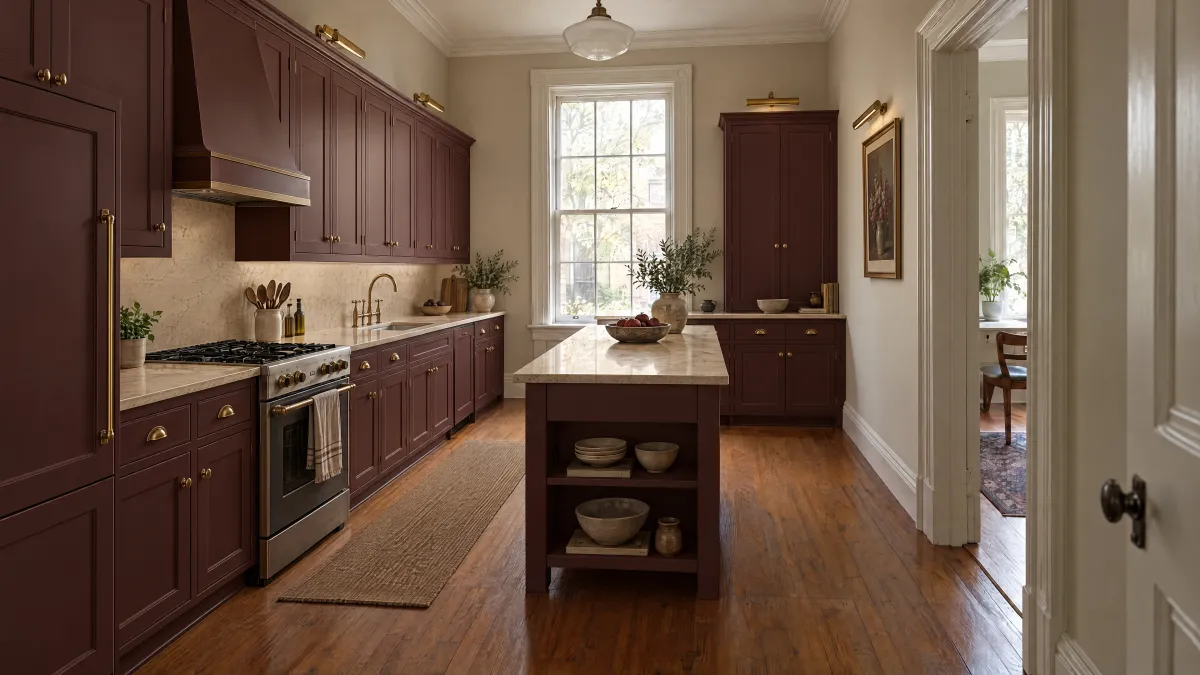
Identify the existing cabinet first
A photograph can start a replacement-front conversation for your Omaha kitchen, but it does not establish the manufacturer, door profile, material, finish or drilling pattern. Gather the original invoice, order information and any available cabinet labels. Keep details tied to the exact cabinet location where the replacement is needed.
KraftMaid's FAQ explains that its invoice or order number links to door style, finish and wood species, and directs replacement-door questions through its retailers. Use that as an example of identification evidence, not proof that an unidentified cabinet is KraftMaid or that a replacement is available.
Separate appearance from fit
Record the front's profile, visible material and finish as one set of questions. Have the responsible supplier or qualified installer confirm the dimensions, overlay, hinge or mounting details and compatibility as another. Do not place an order from a guessed measurement or the name of a similar-looking style.
If identification remains uncertain, ask what physical sample or professional measurement would resolve it. Confirm who is responsible for removing, handling and reinstalling any existing part used for comparison. Keep a photograph or label reference with every sample so the approved appearance does not become disconnected from the intended cabinet.
Approve the replacement scope, including uncertainty
Request the exact replacement description, quantity and applicable order terms. Ask whether a sample is available and compare it beside the existing cabinetry in the room. Record the variation you are willing to accept and the supplier's actual response to any match concern; do not treat a familiar color name as a guaranteed visual match.
If the original part is unavailable, compare clearly described alternatives: a coordinated group of fronts, a different finish treatment through a qualified provider, or a larger replacement scope. Each alternative should list what remains and who verifies the fit. Keep repair, finishing, hardware and installation charges separate from the front itself when reviewing complete costs.
Your decision worksheet
| Check | What to confirm |
|---|---|
| Identification | Collect invoice/order reference, labels and cabinet location. |
| Appearance | Record profile, material, finish and an approved sample when available. |
| Dimensions and fit | Have the responsible professional confirm size, overlay and mounting details. |
| Availability | Obtain confirmation of the exact part or proposed alternative. |
| Acceptance | Record what was approved and any unresolved match question. |
| Work scope | Name who supplies, removes, finishes, adjusts and installs each part. |
Worked example: one damaged drawer front
Suppose a drawer front is damaged and a photograph resembles a current catalog style. Before ordering, locate the cabinet information and ask the supplier to verify the profile, dimensions, finish and attachment. The current catalog's similar appearance is only a lead.
If the original is unavailable, ask for a written alternative and consider a sample before accepting it. A proposal to replace several fronts should explain why that larger scope is useful and what compatibility or appearance questions it resolves.
Questions to settle before ordering
Can a photo establish an exact replacement?
Treat it as starting evidence. Confirm identity, dimensions, finish and mounting through the responsible supplier or professional.
Does the same finish name guarantee the same appearance?
Do not infer a match from the name alone. Compare the proposed product and obtain the supplier’s specific written answer before approving it.
