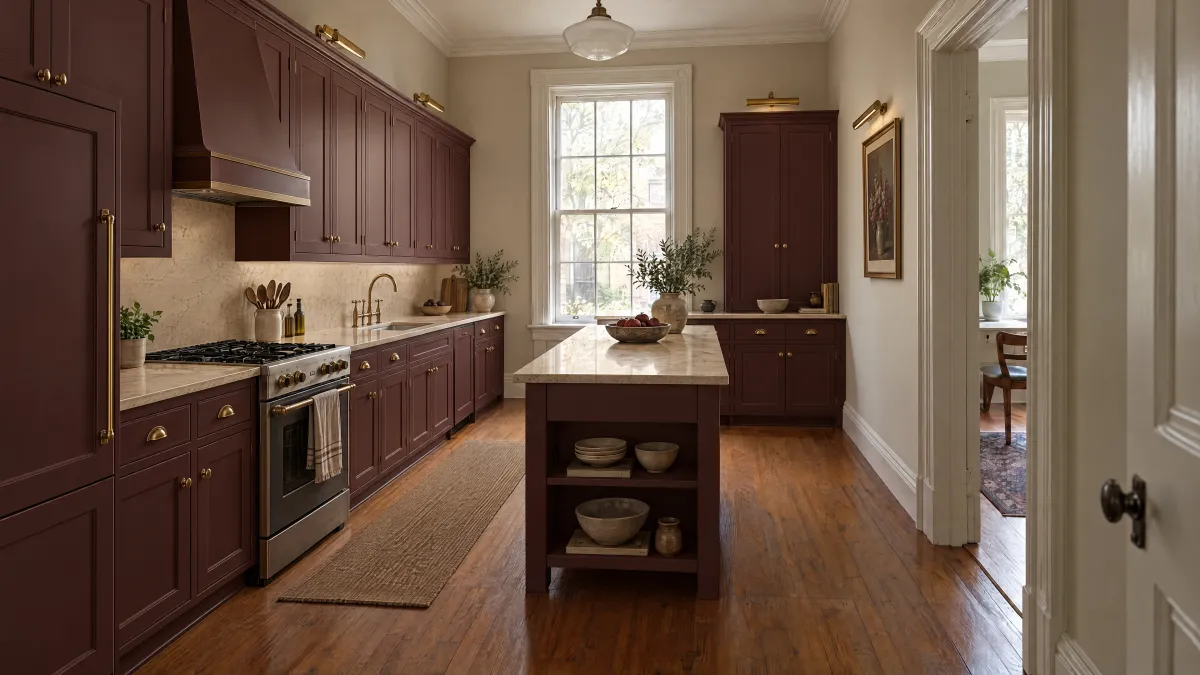
Locate the working parts before comparing the hood
For a Kansas City kitchen, ask the ventilation provider to mark where the blower would sit in each proposal: within the hood assembly, along a supported duct route or at a supported remote location. These are equipment choices behind the visible hood, and they can produce different project scopes.
Wolf's PW482210 reference lists internal, inline and remote blower options and requires a blower. Use it as an example of a model-specific system. A hood illustration does not prove that every required motor or connection component is included.
Compare two complete arrangements
Give each proposer the same cooking appliance and room plan. Ask the responsible professional to establish suitable equipment and the permitted route, then identify the exact hood, blower and associated components. Do not choose a larger motor as an assumed solution to an unresolved building condition.
Have the route drawing show the blower location and how a service professional would reach it. Ask who completes any access, exterior work and finish restoration. For a remote or inline arrangement, a neat view inside the kitchen does not describe the work elsewhere in the building.
Test sound expectations against the proposed system
Tell the provider where the household will be during cooking and what sound concern matters. Ask what evidence supports the proposed result, including the operating setting and whether a demonstration matches the installation being offered. Keep an observation at a display separate from a promise about the completed home.
Wolf cautions that an inline or remote blower connected directly to a hood without intervening ductwork can create excessive noise and vibration. The practical point is that location labels alone cannot establish quiet operation. Have the professional design the arrangement; this worksheet gives no duct sizes, distances or airflow requirement.
Compare the confirmed equipment, service access and complete work scope in the Kansas City kitchen plan. The metro spans Missouri and Kansas; the actual address determines the responsible authority. Resolve applicable ventilation, electrical and building requirements with the qualified professionals before accepting the package.
Your decision worksheet
| Decision | Evidence to record |
|---|---|
| Cooking brief | Give both providers the same exact cooking equipment and room plan. |
| Blower location | Mark internal, inline or remote placement in each supported proposal. |
| Complete components | Name the hood, blower, controls and required associated parts. |
| Service route | Record how a professional reaches the blower and who provides access work. |
| Sound evidence | Identify the demonstrated setting and limits of any sound comparison. |
| Complete selection | Choose the professionally confirmed arrangement with all building work included. |
A worked buying example
Hypothetical example: a homeowner requests a remote blower expecting the kitchen to be silent. The professional explains the proposed location and route, identifies service access and qualifies what a showroom sound demonstration can establish. The homeowner compares that complete proposal with an internal-blower option before selecting the package.
Questions to settle before ordering
Does remote automatically mean quieter?
No universal conclusion follows. The exact equipment, route and operating conditions need a supported assessment.
Can a second fan be added to an existing hood to improve it?
Do not assume that combination is supported. Have the responsible professional and manufacturer confirm any proposed system.
